
Ocean Freight Charges Explained: A Complete Step-By-Step Guide
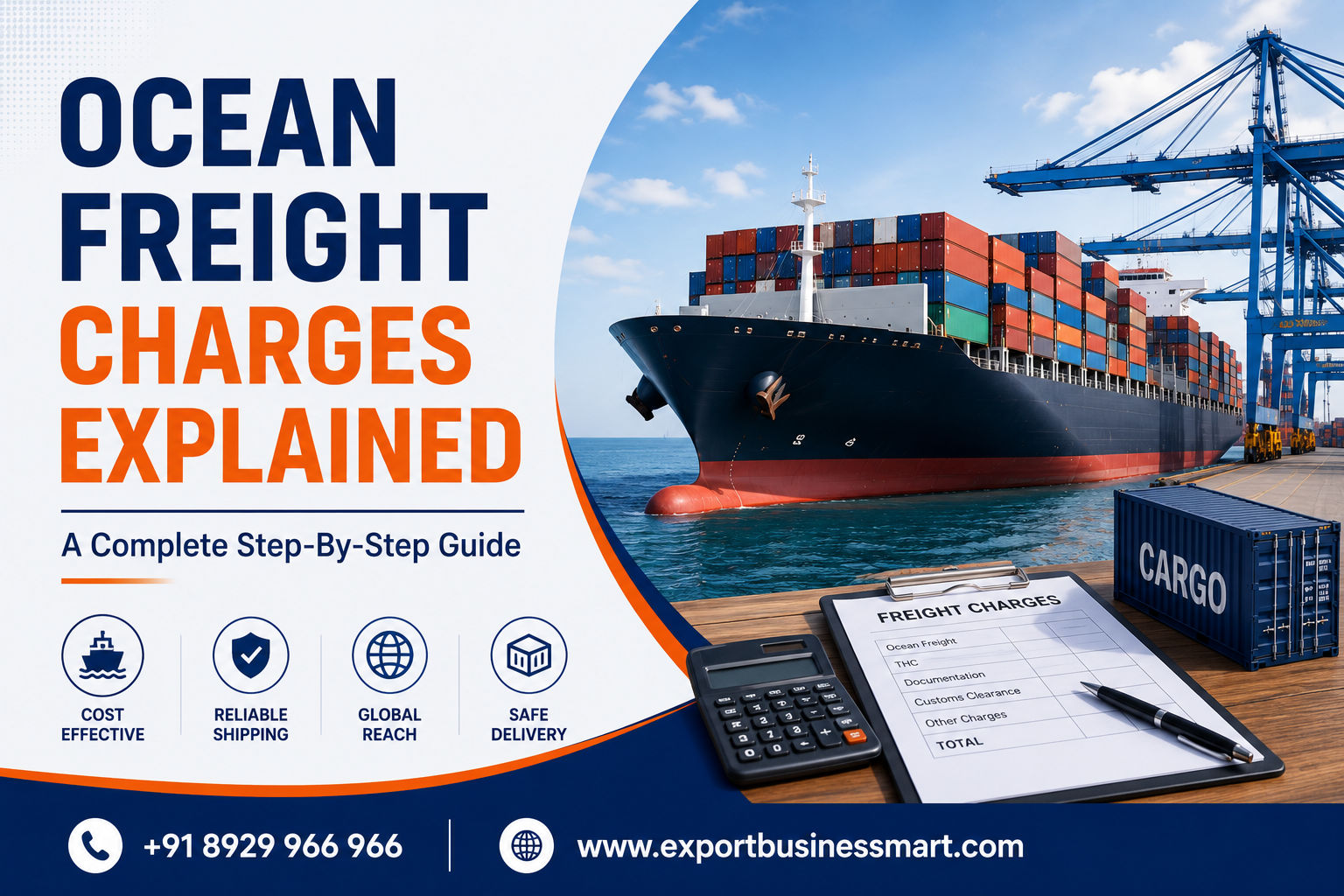
Ocean Freight Charges Explained: A Complete Guide to Understanding Shipping Costs in International Trade
Today, global trade operates at a faster pace and is more closely connected than ever, with a level of competition far exceeding that of any previous period. Exporters, importers, and manufacturers must all gain a clear understanding of sea freight costs to control their expenses and maximize profits.
Many enterprises mistakenly assume that sea shipping only involves basic port-to-port freight fees; in fact, their total expenditures must also cover a wide range of additional surcharges, documentation fees, port miscellaneous charges, and security-related costs.
A clear grasp of ocean freight enables the broad base of cross-border enterprises to negotiate more favorable freight rates, avoid unexpected expenses, select appropriate trade terms, and optimize their own supply chains. This guide will cover breakdowns of mainstream freight costs, factors influencing pricing, cost optimization strategies, and answers to frequently asked questions.
What Are Ocean Freight Charges?
Ocean freight charges refer to all relevant costs incurred for goods transported via cross-border maritime shipping. The entities that levy these charges include shipping companies, port authorities, customs brokers, and freight forwarders.
The final shipping cost is usually made up of multiple components rather than a single transportation fee. Understanding each charge helps exporters and importers accurately calculate their landed costs and profit margins.
Why Understanding Ocean Freight Charges Is Important?
Many businesses lose money because they focus only on the quoted freight rate while ignoring additional expenses.
Understanding ocean freight charges helps businesses:
- Calculate actual shipping costs
- Avoid hidden logistics expenses
- Improve pricing strategies
- Negotiate better freight contracts
- Select suitable shipping terms
- Reduce delays and penalties
- Improve overall supply chain planning
When companies understand every component of ocean freight charges, they gain better control over international trade operations.
Major Ocean Freight Charges Explained
1. Ocean Freight (Base Rate)
The base freight rate is the primary transportation charge paid to the shipping line for moving cargo between the origin and destination ports.
This charge depends on:
- Container size
- Cargo volume
- Shipping route
- Transit time
- Market demand
- Vessel availability
The base rate is usually the largest component of ocean freight charges, but it is rarely the only cost involved.
For example, shipping a container from India to Europe may involve a base freight charge along with several additional surcharges.
2. BAF (Bunker Adjustment Factor)
Fuel is one of the largest operating expenses for shipping companies.
The Bunker Adjustment Factor (BAF) is a surcharge added to compensate for fluctuations in fuel prices.
Since global fuel prices frequently change, shipping lines adjust BAF periodically.
Why BAF Is Charged
- Rising marine fuel costs
- Market volatility
- Long-distance shipping routes
- Environmental fuel regulations
Businesses should always verify whether BAF is included in freight quotations or charged separately.
3. CAF (Currency Adjustment Factor)
International shipping transactions often involve multiple currencies.
The Currency Adjustment Factor (CAF) helps shipping lines recover losses caused by exchange rate fluctuations.
When currencies experience significant volatility, carriers apply CAF to maintain financial stability.
Factors Affecting CAF
- Exchange rate movements
- Economic instability
- Global financial events
- International trade policies
CAF is an important component of ocean freight charges that many new exporters overlook.
4. THC (Terminal Handling Charges)
Terminal Handling Charges cover the movement and handling of containers within port terminals.
These activities include:
- Container loading
- Container unloading
- Storage within terminal
- Equipment usage
- Yard operations
THC is usually charged at both origin and destination ports.
Because ports have different infrastructure and operating costs, THC varies from country to country.
5. Documentation Fee
Every international shipment requires proper documentation.
The Documentation Fee covers preparation, verification, and processing of shipping documents.
Common documents include:
- Bill of Lading
- Commercial Invoice
- Packing List
- Certificate of Origin
- Export Declaration
- Shipping Instructions
Accurate documentation prevents delays and customs complications.
Although documentation fees may appear small, they are a standard part of ocean freight charges.
6. ISPS Fee (Security Fee)
The International Ship and Port Facility Security (ISPS) Code was introduced to enhance maritime security worldwide.
The ISPS Fee helps cover security-related measures implemented at ports and aboard vessels.
Security Measures Covered
- Cargo screening
- Port surveillance
- Access control systems
- Vessel security procedures
Most international shipments include this mandatory security charge.
7. Port Charges
Port authorities charge fees for the use of port infrastructure and facilities.
These charges support:
- Port maintenance
- Equipment operation
- Cargo handling services
- Security arrangements
- Administrative functions
Port charges vary depending on:
- Port location
- Container type
- Cargo category
- Port congestion levels
Port charges can significantly influence overall ocean freight charges.
8. Customs Clearance Charges
Before goods can enter or leave a country, customs procedures must be completed.
Customs clearance charges cover:
- Customs broker services
- Documentation filing
- Regulatory compliance
- Inspection coordination
- Duty processing
Professional customs clearance ensures smooth movement of goods across borders.
Improper customs documentation may result in delays, penalties, or shipment detention.
9. Seal Fee
Container seals play an important role in cargo security.
The Seal Fee covers the cost of specialized seals used to secure containers during transportation.
These seals help:
- Prevent tampering
- Ensure shipment integrity
- Meet customs requirements
- Improve cargo traceability
Though relatively small, seal fees remain a regular component of ocean freight charges.
10. Other Ocean Freight Surcharges
In addition to standard charges, shipping lines may impose temporary or situation-specific surcharges.
Peak Season Surcharge (PSS)
Applied during periods of exceptionally high shipping demand.
Emergency Bunker Surcharge (EBS)
Charged when fuel prices rise unexpectedly.
Low Sulphur Surcharge (LSS)
Introduced to comply with environmental regulations requiring cleaner marine fuel.
Congestion Surcharge
Applied when ports experience severe congestion and operational delays.
Equipment Imbalance Surcharge
Charged when container availability becomes uneven across regions.
These surcharges can substantially increase overall ocean freight charges during certain periods.
Factors Affecting Ocean Freight Rates
Several market conditions influence ocean freight charges.
Fuel Prices
Fuel costs directly impact shipping expenses.
When fuel prices rise, carriers often increase BAF and related surcharges.
Global Demand and Supply
Freight rates increase when shipping demand exceeds vessel capacity.
Similarly, rates may decrease during periods of reduced demand.
Port Congestion
Busy ports often experience delays and operational bottlenecks.
This results in additional charges and increased transit times.
Seasonality
Certain periods witness higher shipping activity.
Examples include:
- Christmas season
- Chinese New Year
- Back-to-school inventory cycles
- Festival-related imports
Peak seasons generally lead to higher ocean freight charges.
Currency Exchange Rates
International trade transactions involve multiple currencies.
Exchange rate fluctuations can affect shipping costs through CAF and other financial adjustments.
Geopolitical Situations
Political tensions, trade restrictions, wars, and sanctions may influence shipping routes and increase freight expenses.
Geopolitical disruptions often result in sudden increases in ocean freight charges.
Container Availability
Shortages of empty containers can create supply imbalances and increase transportation costs.
Container availability became a major factor during recent global supply chain disruptions.
Common Mistakes Businesses Make Regarding Ocean Freight Charges
Many exporters unknowingly increase costs by making avoidable mistakes.
These include:
- Ignoring surcharge details
- Focusing only on base freight rates
- Incorrect documentation
- Poor shipment planning
- Last-minute bookings
- Selecting unsuitable Incoterms
- Not comparing logistics providers
Avoiding these mistakes can lead to substantial savings on ocean freight charges.
Do You Want More Information? Start Exporting — Register Today on Exportbusinessmart.com
Registered Free NowFrequently Asked Questions (FAQs)
What are ocean freight charges?
Ocean freight charges are the costs associated with transporting goods through sea routes, including freight rates, handling fees, customs charges, documentation fees, and various surcharges.
Why do shipping rates change frequently?
Shipping rates fluctuate due to fuel prices, market demand, port congestion, container availability, and geopolitical events.
What are Terminal Handling Charges (THC)?
THC covers the loading, unloading, storage, and handling of containers within port terminals.
Can ocean freight charges be negotiated?
Yes. Businesses with regular shipping volumes can often negotiate better freight rates and service agreements with carriers and freight forwarders.
How can exporters reduce ocean freight charges?
Exporters can reduce costs by booking early, consolidating shipments, comparing freight providers, avoiding peak seasons, and maintaining accurate documentation.
Conclusion
In international trade, understanding ocean freight charges is not just beneficial, it is essential. While many businesses focus only on the freight rate, the actual shipping cost includes numerous components such as BAF, CAF, THC, documentation fees, customs clearance charges, port charges, ISPS fees, seal fees, and various surcharges.
A detailed understanding of ocean freight charges enables exporters and importers to budget accurately, negotiate effectively, and reduce unnecessary expenses. It also helps businesses choose the right Incoterms, avoid costly mistakes, and improve overall supply chain efficiency.