Groundnut Kernels: Global Demand, Varieties, Processing, Benefits & Export Opportunities in 2025
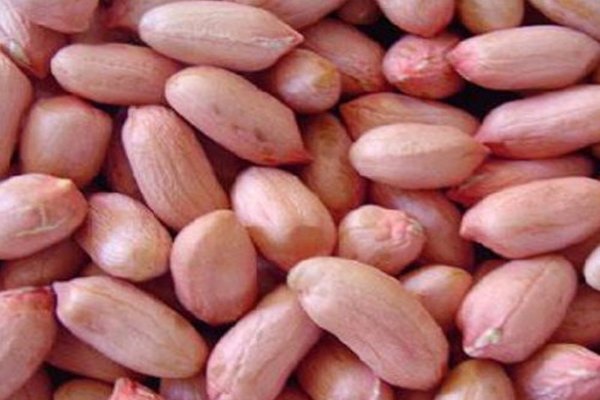
Groundnut kernels—also known as peanuts—are one of the most important oilseed crops in the world. They are widely used for direct consumption, edible oil extraction, confectionery products, animal feed, and various industrial applications. With rising global demand for nutritious, high-protein foods, groundnut kernels have become a major commodity in international trade.
In 2025, India, China, USA, Argentina, Sudan, and Brazil continue to be leading producers and exporters of groundnuts. India, in particular, is gaining strong preference among global buyers due to its high-quality Bold and Java varieties, competitive pricing, and large-scale processing capabilities.
This comprehensive blog highlights everything you need to know about groundnut kernels—benefits, varieties, sizes, processing, global demand, uses, quality parameters, and export opportunities.
1. What Are Groundnut Kernels?
Groundnut kernels are the edible seeds of the groundnut (Arachis hypogaea). They are rich in protein, healthy fats, vitamins, minerals, and antioxidants. Groundnut kernels play a major role in:
Groundnuts are available in multiple varieties based on size, color, oil content, and flavor profile.
2. Health Benefits of Groundnut Kernels
Groundnut kernels are considered a superfood due to their nutrient density and health-supporting properties.
2.1 High in Protein & Energy
Groundnuts contain around 25–30% protein, making them an excellent plant-based protein source for vegetarians and athletes.
2.2 Heart-Friendly Healthy Fats
They are rich in monounsaturated and polyunsaturated fats, which help reduce bad cholesterol levels.
2.3 Rich in Vitamins & Minerals
Groundnuts are packed with:
-
Vitamin E
-
Vitamin B complex
-
Magnesium
-
Folate
-
Manganese
-
Phosphorus
These nutrients support cell repair, immunity, bone strength, and metabolism.
2.4 Antioxidant Powerhouse
Groundnuts contain resveratrol, a powerful antioxidant known for anti-aging and anti-inflammatory benefits.
2.5 Supports Weight Management
Despite being energy-dense, groundnuts promote satiety and help control hunger naturally.
3. Popular Varieties of Groundnut Kernels
Global buyers mainly focus on two major varieties: Bold and Java.
3.1 Bold Groundnut Kernels
Sizes: 38/42, 40/45, 50/55, 55/60 counts per ounce
3.2 Java Groundnut Kernels
Sizes: 50/60, 60/70, 70/80 counts per ounce
3.3 Red Skin Groundnuts
Used heavily in confectionery, snacks, and bakery products.
3.4 Blanched Groundnut Kernels
-
Skin removed
-
Available in whole, splits, and broken
-
Used in peanut butter, chocolates, and bakery
3.5 Organic Groundnuts
Free from chemical residues, high demand in USA, Europe, and premium food chains.
3.6 Oil-Grade Groundnuts
High oil content (46–52%), used for extraction of premium groundnut oil.
4. Industrial & Commercial Uses of Groundnut Kernels
Groundnut kernels serve multiple industries due to their versatility.
4.1 Food & Snack Industry
Used in:
4.2 Edible Oil Industry
Groundnut oil is widely used for cooking because of its neutral taste and high smoke point.
4.3 Bakery & Confectionery
Used in:
-
Candies
-
Cookies
-
Chocolates
-
Ice creams
4.4 Peanut Protein Industry
Peanut flour and peanut protein isolate are in huge demand in health supplements.
4.5 Animal & Poultry Feed
Groundnut cake and kernels are used for cattle feed due to high protein content.
4.6 Pharmaceutical & Cosmetic Industry
Groundnut oil is used in skin creams, massage oils, and medicated ointments.
5. How Groundnut Kernels Are Processed: Step-by-Step
5.1 Sourcing & Grading
Groundnuts are procured from farms and graded based on:
-
Moisture
-
Size
-
Purity
-
Color
-
Oil content
5.2 Cleaning
Machines remove dust, stems, and foreign matter.
5.3 Shelling
Shells are removed using mechanical shellers.
5.4 Sorting & Destoning
Advanced color sorters ensure defect-free kernels.
5.5 Roasting (Optional)
Enhances taste for snack-grade peanuts.
5.6 Blanching
The red skin is removed for confectionery-grade kernels.
5.7 Packaging
Export packaging includes:
6. Quality Parameters Global Buyers Look For
Buyers evaluate groundnut kernels using:
A COA (Certificate of Analysis) is essential for exports.
7. Major Groundnut Producing Countries in 2025
The top global producers are:
-
India
-
China
-
USA
-
Nigeria
-
Sudan
-
Argentina
-
Brazil
India dominates the export of kernels due to seasonal availability, quality, and competitive pricing.
8. Global Demand & Import Markets for Groundnut Kernels
Top Importing Countries:
-
China
-
Indonesia
-
Vietnam
-
Malaysia
-
UAE
-
Bangladesh
-
Nepal
-
Netherlands
-
UK
-
Egypt
-
Russia
Reasons for Rising Demand:
-
Growth in snack food industry
-
Rising consumption of peanut butter
-
Increasing demand for plant proteins
-
Expansion of edible oil processing
-
Heavy demand from confectionery industries
9. Why India Is a Preferred Exporter of Groundnut Kernels
• Wide Variety Available
India offers Java, Bold, Red Skin, and blanched kernels.
• Competitive Pricing
Lower cost of production gives India an advantage.
• High Oil Content & Taste
Indian peanuts have excellent sweetness and roasting quality.
• Modern Sorting & Processing Units
Exporters ensure international-grade hygiene and packaging.
• Seasonal Availability
Fresh harvest during October–March supports year-round supply.
10. Export Opportunities in 2025
Groundnut kernels offer multiple opportunities for exporters:
10.1 Snack Industry Growth
Demand for roasted and flavored peanuts is increasing globally.
10.2 Peanut Butter Market Boom
Health-conscious consumers are shifting toward high-protein spreads.
10.3 Organic & Residue-Free Peanuts
Huge demand in Europe, USA, and Japan.
10.4 Blanched Peanuts for Confectionery
Used in chocolates, cakes, and ice creams.
10.5 Peanut Protein Extracts
Sports nutrition brands require peanut protein.
10.6 Oil-Grade Groundnuts
With edible oil prices rising, processors are seeking high oil-content peanuts.
10.7 Value-Added Products
Exporters can diversify into:
-
Peanut oil
-
Peanut flour
-
Peanut cakes
-
Peanut snack mixes

 GST: 24CJIPP2280C1ZF